Wildlife Photography Tips for the Tropical Rainforest
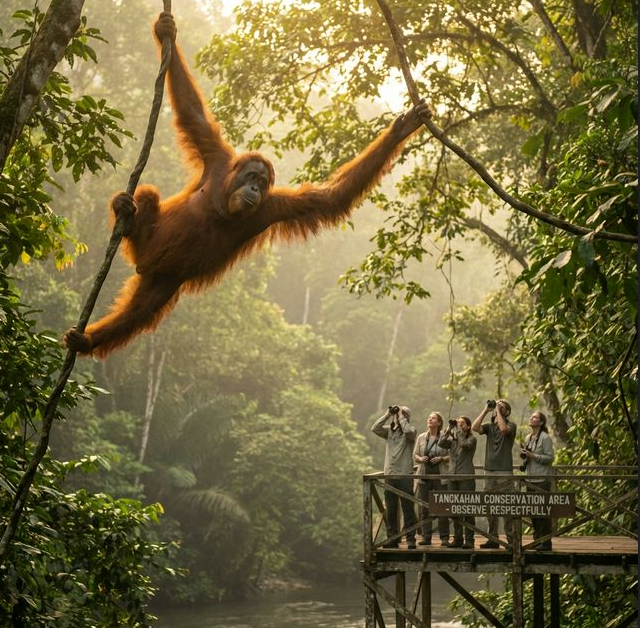
Mastering Wildlife Photography in Tangkahan's Rainforest
Tangkahan is a dream destination for wildlife photographers. With Sumatran elephants, orangutans, exotic birds, and countless other species inhabiting its forests and rivers, the photographic opportunities are extraordinary. But the rainforest environment requires specific techniques and equipment.
Essential Gear for Jungle Photography
- Camera Body: A weather-sealed DSLR or mirrorless camera is highly recommended for humid jungle conditions
- Lenses: A versatile 70-300mm telephoto for wildlife, a wide-angle for landscapes, and a macro for close-up details
- Waterproofing: Protect your gear with rain covers and dry bags — sudden downpours are common
- Extra Batteries: Cold river air and humidity drain batteries faster than normal
Working with Low Light
The forest canopy filters much of the available light, creating challenging low-light conditions even at midday. Use higher ISO sensitivity (1600–6400), open aperture settings, and image stabilization to compensate. Golden hour — shortly after sunrise — provides the best natural light for forest photographs.
Best Subjects in Tangkahan
Sumatran Elephants: The bathing sessions at dawn offer incredible close-range photography opportunities in beautiful soft light.
Birds: Tangkahan hosts over 380 recorded bird species, including hornbills, kingfishers, and the spectacular argus pheasant.
Macro Life: The forest floor and foliage teem with extraordinary insects, fungi, and small creatures perfect for macro photography.
The Ethics of Wildlife Photography
Never approach wildlife unsafely, never use flash near animals, and never interfere with natural behavior for the sake of a photo. The best wildlife photographs are taken with patience, respect, and a deep regard for the subjects.
Cerita Lainnya
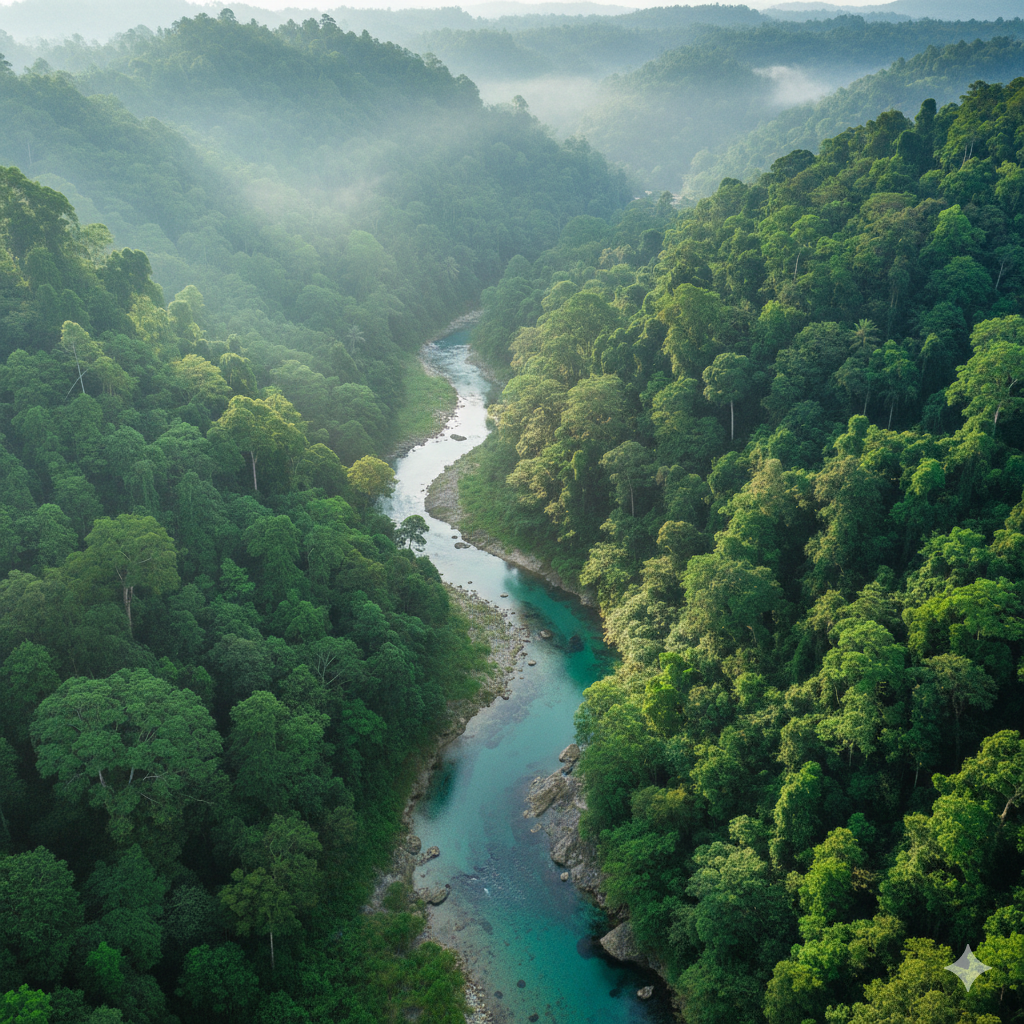
Ecotourism in Tangkahan: How Your Visit Contributes to Conservation
15 December
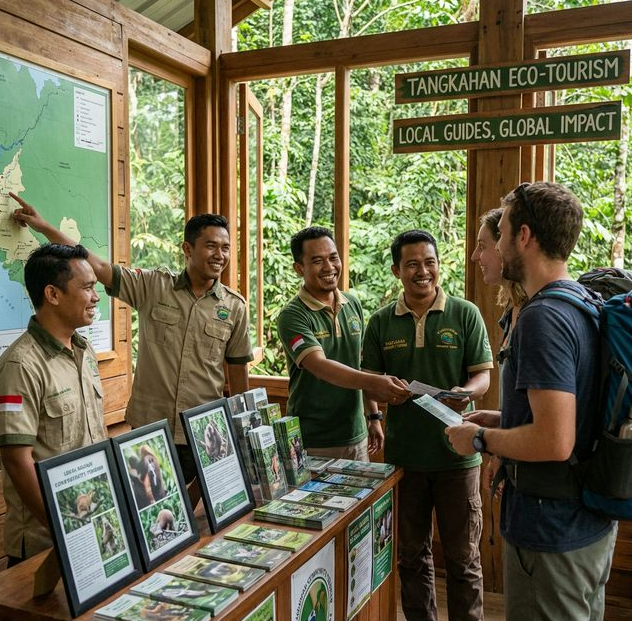
The Warm and Welcoming Local Culture Around Tangkahan
07 November
The Natural Wonders of Tangkahan: Hidden Paradise in North Sumatra
31 October
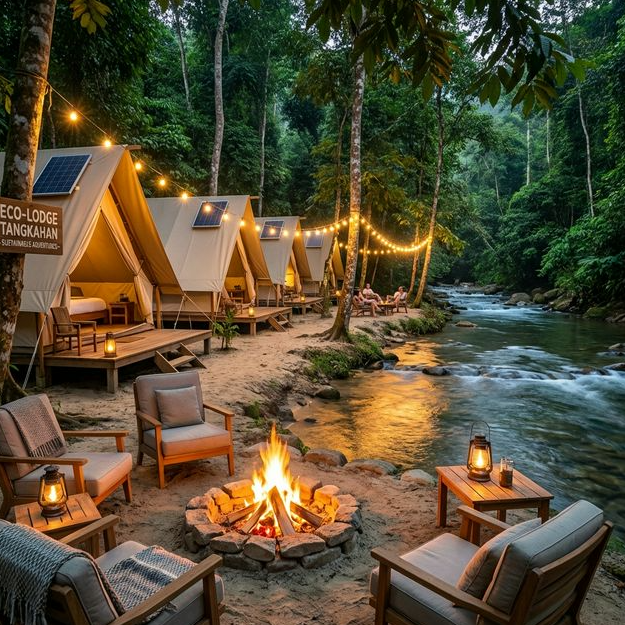
Staying at an Eco-Lodge in the Heart of Tangkahan Forest
27 October
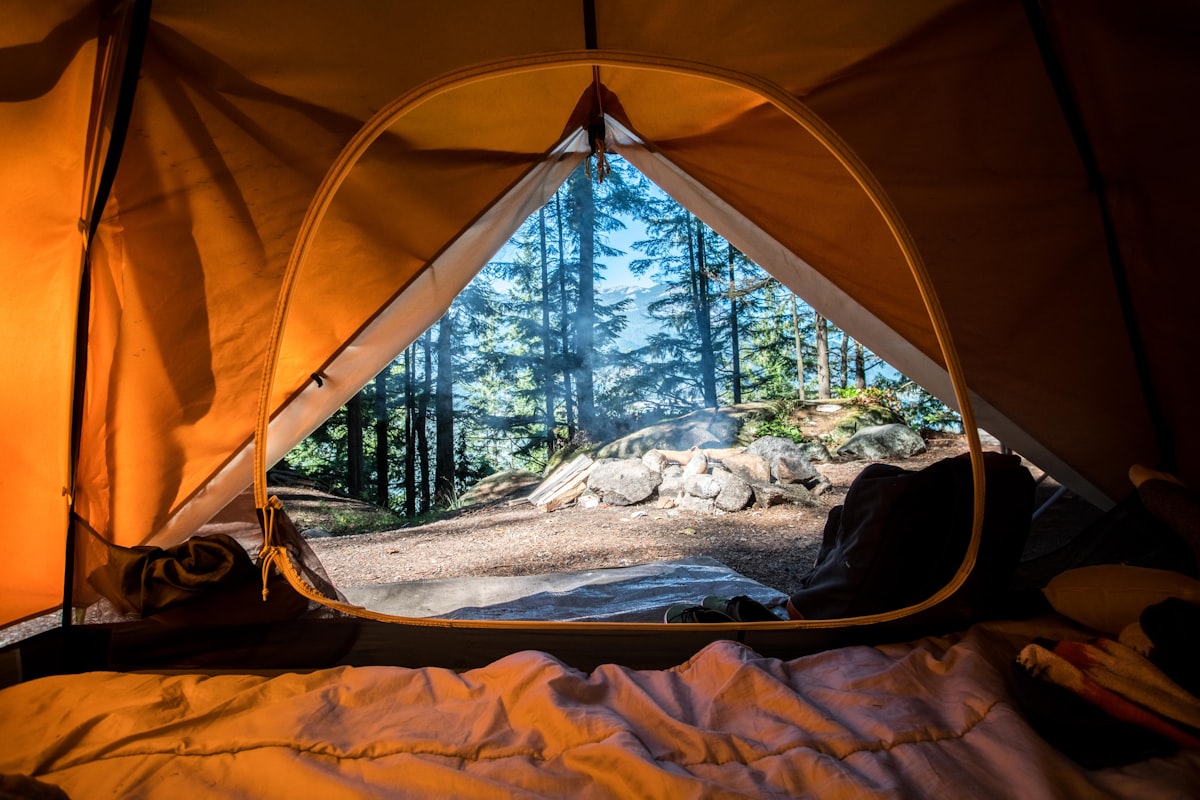
Complete Guide to Visiting the Tangkahan Elephant Rehabilitation Center
09 October
Siap untuk Berpetualang?
Booking petualangan memandikan gajah dan trekking hutan hari ini!
Pesan Sekarang